TP Tree Service

Tree Removal Cost

Factors That Determine the Cost of Tree Removal

Calculating the expense of removing a tree is rarely a one-size-fits-all scenario because every project presents unique challenges based on the tree’s species, location, quantity, and physical dimensions. While many homeowners look for a simple flat rate, the reality is that national data from 2026 suggests a small tree under 30 feet might only range from $400 to $600, whereas a medium tree up to 60 feet typically costs between $450 and $1,200. The price jumps significantly for large trees over 60 feet, which generally run from $850 to more than $2,000 due to the increased complexity and risk involved. 

For those seeking a granular breakdown, industry averages often hover between $10 and $14 per foot, but the final quote will ultimately depend on the specific variables found on your property.

Size of the Tree

Much like humans, trees come in various shapes, so size is based on height and width. Tall trees also usually have thicker trunks. A tall tree with a narrow trunk may cost less to remove than a tree of the same height with a thick trunk. If a short tree has a thick trunk that’s particularly hard to cut, a tree removal company may charge extra. Similarly, if a tree has more than one trunk, it will be more complicated and pricier to remove.

Average tree sizes with a cost estimate

Small : 30 feet or shorter ($400–$700): Fruit trees, hawthorns, silver birches, etc.

Medium : 30–60 feet ($500–$1,000): Maple, elm, etc.

Large : 60–80 feet ($1,500–$3,000): Mature oaks, evergreens, etc.

Small

30 feet or shorter ($400–$700): Fruit trees, hawthorns, silver birches, etc.

Medium

30–60 feet ($500–$1,000): Maple, Oak etc.

Large

60–80 feet ($1,500–$3,000): Mature Oaks, Pine Trees, etc.

Type of Tree

Yes, the type of tree significantly impacts removal costs due to its height, wood density, and structural complexity. Examples :

Wood Density: Hardwoods like Oak, Maple, and Hickory have dense, heavy wood that is harder to cut and more labor-intensive to move. Softer woods like Pine or Cedar are typically easier and cheaper to process.

Tree Structure: Trees with complex branch systems (e.g., Elm or Silver Maple) or multiple trunks require more intricate rigging and time to dismantle safely. Conversely, Palm trees are often among the least expensive to remove because of their simple, branchless structure.

Root Systems: Species with deep or extensive root systems (e.g., Aspen, Elm, or older Pine) can increase stump removal costs if they are entangled with utilities or structures.

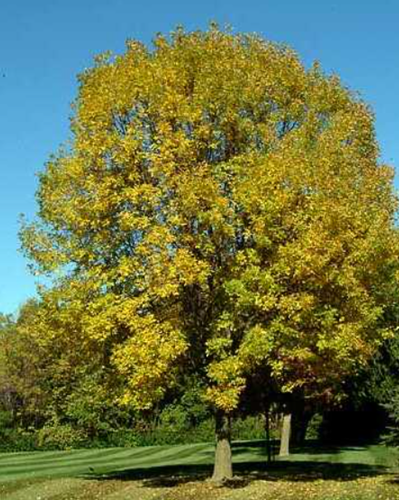
Ash Tree

It usually grows rapidly to 60 to 90 feet tall and 50 to 75 feet wide with a 2 to 3-foot trunk diameter, but it can reach 120 feet in height and is the largest of the native ashes. The epithet means “American.”
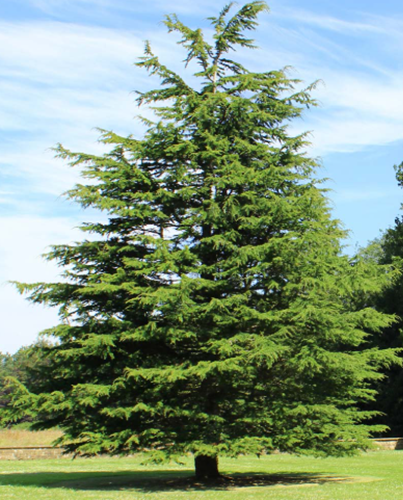
cedar tree

Cedar

Cedars are evergreen trees belonging to the pine family. Originating from the Himalayas and Mediterranean region, they're able to be grown across many parts of the U.S. Known for their fragrant, durable wood that’s often used to construct various items like furniture, decks and fencing, cedar trees are prized for many reasons and make a great addition to the landscape.

maple tree

Maple

Maples are one of the most common deciduous trees, and are found growing natively in temperate regions of the Northern Hemisphere, particularly North America, Europe, and Asia. This popular landscape tree is valued for its hardiness, adaptability, elegant structure, attractive lobed leaves, and brilliant fall color.
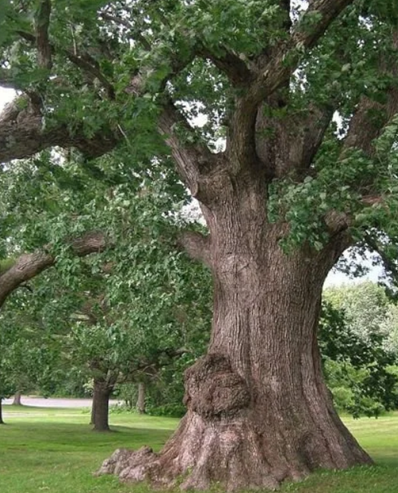
oak tree

Oak Tree

From an acorn to a robust, mighty tree, the oak is often used as a symbol of patience and durability. Oaks are well-known for their sturdy trunks, distinctive acorns, and lobed leaves, as well as their longevity. In this article, we’ll profile some of the different kinds of oak trees that can be found around Atlanta
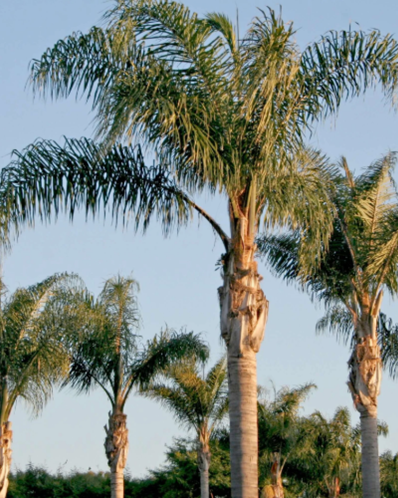
Palm Tree

Palms have large, evergreen leaves that are either palmately (‘fan-leaved’) or pinnately (‘feather-leaved’) compound and spirally arranged at the top of the stem. The leaves have a tubular sheath at the base that usually splits open on one side at maturity.

Pine Tress

Pine trees (genus Pinus) are evergreen, conifers (they produce cones that encase reproduction seeds) and can be found throughout the world, but they are native to northern temperate regions. There are a large variety of pines that can survive in extreme weather (deserts, rainforests) and it is unlikely you will see pines south of the equator that are native.
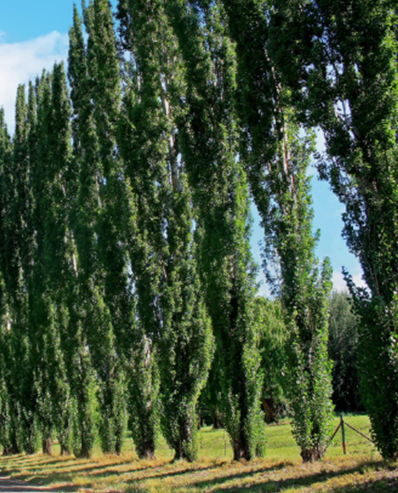
poplar

Poplar Tree

The genus’ species, commonly called Poplars, Cottonwoods, and Aspens, are planted for a wide variety of reasons. For one, these trees are fast-growing. They also often grow quite tall, with different species ranging between 50 and 160 feet in height. For another, Poplars are most often used to create plywood and wood pulp used in manufacturing and construction.
Health or Condition of the Tree

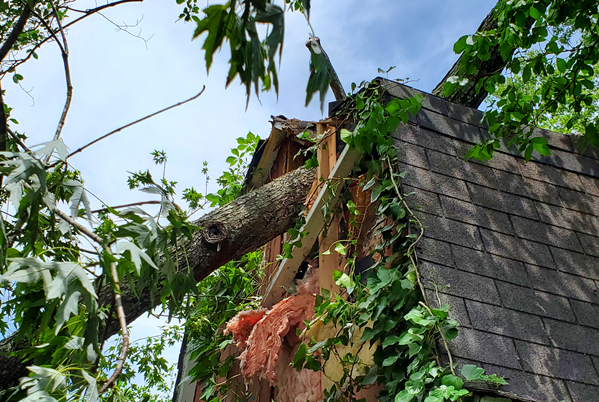
A diseased tree can be a health and safety hazard to other trees and your property. The tree might be cheap to remove because it’s easier to cut down, but it might cost more if it’s in a dangerous position, like near electrical wires. A tree that has already fallen is much cheaper than a living tree to cut and haul away. Schedule an inspection with a tree removal service to get a quote in this situation.

Emergency Tree Removal

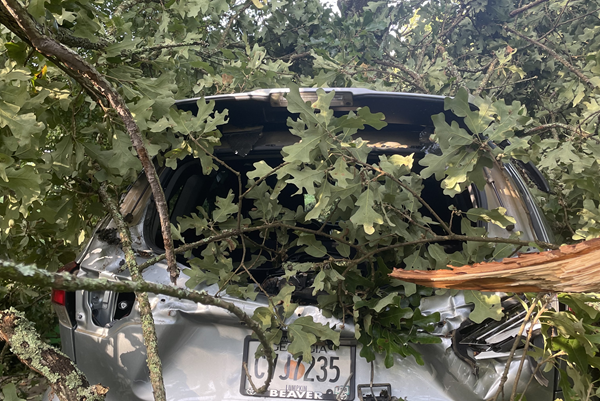
When a tree suddenly falls on your home or car or leans precariously, you need to remove it before it can cause further damage. This job is riskier because the technicians will have to be very careful to avoid additional damage. Tree removal prices vary substantially by situation and contractor, though they can easily go up to $5,000.

Your homeowners insurance policy may cover part or all of the cost to remove a fallen tree on your property, so check with your insurance company before paying for this service out of pocket.

If you need Emergency tree removal we have more information (here)

Other Cost Factors That Impact The Cost of Tree Removal

Accessibility: Anything that makes removing trees more difficult will also cost more. This includes sloped yards, rocky or muddy soil, an angled trunk, or weak branches. If it’s risky to access the tree—for example, if the tree is near power lines or close to your house or other buildings—you might get charged an extra 50%.

Location: You may be charged a travel surcharge if you live in a remote location since the contractor will need to drive heavy machinery out to your property. Additionally, people who live in locations with a higher cost of living will likely see higher costs when hiring tree removal contractors.

Machinery: Special machinery such as cranes must be used to keep the falling tree from hitting surrounding structures. Expect to add at least $500 for jobs that require a crane. Based on our customer review analysis, some tree removals with cranes cost up to $6,000–$7,000.

Permits: Many areas require you to purchase a permit to remove a tree taller than 10 feet. While the cost of a permit is relatively low—between $60 and $150—failing to get one before beginning work could net you a more substantial fine later in the process. We have a link to permitting on our Tree Removal page (here)

Our Free Estimate

Free Estimates and Emergency Service available
Call us today – (770) 378-0551
tree removal Georgia

Safe & Professional Tree Removal in Georgia

We were contacted by a customer about removing a couple big trees. It took a few extra steps, due to size of the trees and location near the power lines